Back to Blog
October 2026

Buying a Used Car in Goldsboro NC? How to Check for Flood Damage

A clear step-by-step process to review flood history, title records, warning signs, and inspections before you buy

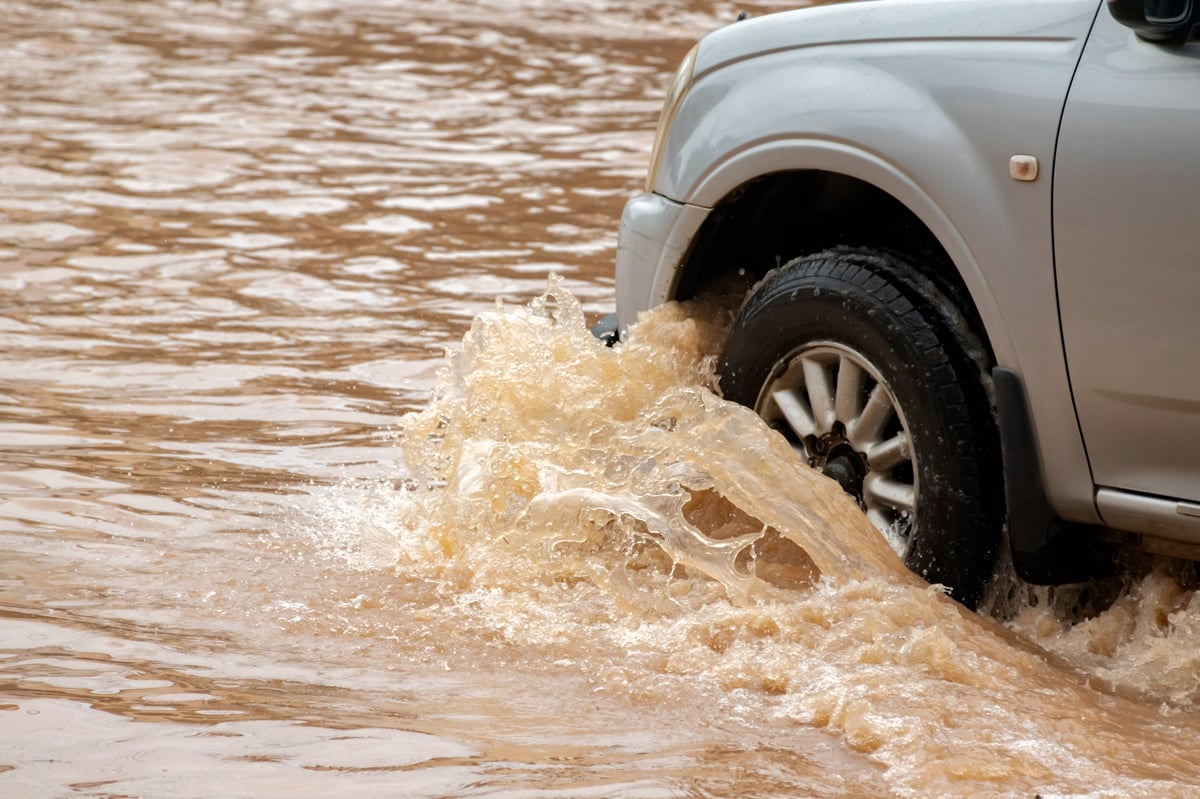
Dark yellow floodwater covers a rural road, hindering commuters, illustrating flood damage risks for used car buyers

A clean exterior and fresh interior do not establish a used car's history. If you are buying a used car in Goldsboro, NC, check the vehicle's records, inspect the condition, and arrange an independent evaluation before you make a purchase decision.

Flood damage deserves a separate review because your first impression focuses on what you see and hear today. Records and a professional inspection help you investigate what happened earlier.

For shoppers in Goldsboro and Wayne County, the vehicle's current location tells only part of the story. Ask about the car's previous locations and ownership. Then compare those answers with the available documents rather than assuming a locally advertised vehicle has always stayed nearby.

Use the following process to organize your research. Your goal is to identify questions that need answers and obtain the evidence you need before choosing the vehicle.

Understand Why Flood History Matters

The U.S. Department of Justice flood vehicle advisory explains that severe water damage threatens electrical systems, including airbag sensors. Damage to those systems raises safety questions that appearance alone does not answer.

The advisory also explains that the National Motor Vehicle Title Information System, called NMVTIS, does not include repair histories or recall information. You need different resources for different questions.

Separate three issues during your review. The first is whether records show a damaging event. The second is what repairs followed. The third is the vehicle's present condition. Evidence for one issue does not automatically answer the other two.

For example, a repair receipt records particular work. Read the scope of the work before deciding what the receipt establishes. A receipt for carpet replacement does not evaluate the vehicle's electrical systems.

Ask About Previous Locations

The Federal Trade Commission flood vehicle guidance explains that storm-damaged vehicles sometimes move to other states after cleanup. Buying in Goldsboro does not remove the need to review earlier history.

Ask where the vehicle was previously titled and whether the seller has records from earlier ownership. Compare the timeline with the history report. A previous address in a storm-affected area deserves further questions rather than an automatic conclusion about damage.

Apply the same process whether you shop in Goldsboro, travel from La Grange, or review a vehicle advertised elsewhere in Eastern North Carolina. A convenient location and a convincing explanation still need supporting evidence.

Keep your questions specific. Ask whether the vehicle experienced flooding or water intrusion, whether an insurer declared a total loss, and whether any title carried a damage-related designation.

Start Every Search With the Correct VIN

Obtain the VIN directly from the vehicle and compare the number with the paperwork and reports. The VIN connects the car you inspect with the history you research.

Ask the seller to resolve any mismatch before you proceed. One incorrect character sends your research toward a different vehicle or prevents a useful match. Save a photograph with permission so you have a reference when reviewing records later.

Use one folder for each vehicle. Include the VIN, advertised mileage, seller information, report date, and your inspection appointment. Keeping the information together prevents you from confusing documents for similar cars.

If you compare several vehicles during a Goldsboro shopping trip, label each set of notes before starting the next visit. Accurate organization matters when the vehicles share a model year, color, or body style.

Review an NMVTIS Report

Use the official NMVTIS provider directory to find a provider offering reports to the public. Review the provider's current price and report description before purchasing.

The NMVTIS report explanation identifies five central areas: title information, title brands, odometer readings, total loss history, and salvage history. A title brand is a designation applied by a state title agency, such as flood, salvage, or junk.

Read the full sequence rather than focusing on the latest entry. Earlier information deserves attention even when the current document looks different. Write down unexplained changes and ask the seller for supporting records.

A total loss or salvage entry signals the need to investigate the circumstances. Do not assume every salvage event involved flooding. Ask which event caused the designation and what documentation explains the vehicle's history.

Add a NICB VINCheck Search

The National Insurance Crime Bureau VINCheck service offers a free search of participating insurers' records for reported theft, salvage, and flood-related history.

NICB explains that the search does not provide a comprehensive vehicle history report. Records from nonparticipating insurers and other sources fall outside the service. An empty result does not establish that a vehicle never suffered damage.

Save the search date and result with your other documents. Treat the search as another source of information rather than a replacement for the title history, seller records, or inspection.

If one report contains an entry that another report omits, ask what information each report includes. Different results deserve an explanation. Do not select the most reassuring result and ignore the rest.

Read the Timeline Before Accepting an Explanation

Review dates, mileage, locations, and repair descriptions in order. A timeline helps you form specific questions instead of asking the seller to explain the vehicle's entire past at once.

Suppose, in a hypothetical example, a report shows an auction entry followed by interior work and a later sale. Those entries alone do not prove flood damage. Ask for the reason for the auction and the records describing the interior work.

A useful response identifies the event and points to documentation. If the seller does not know, keep the question open. Missing information should not become an assumption that nothing happened.

Ask the independent inspector to review the records you collected. A timeline gives the inspector context for the examination without asking you to interpret technical findings yourself.

Look for Signs That Deserve Further Inspection

In its November 2024 consumer alert following Hurricane Helene, the North Carolina Department of Justice listed signs including dampness, stains, sediment, rust, moisture in lights, oxidation on wiring, and strong odors covering a musty interior.

The alert concerns a past storm. Use the listed signs as reasons to investigate a vehicle's condition rather than as evidence of a new local flood event.

With the seller's permission, look at accessible carpet, floor mats, seat surfaces, and the cargo area. Ask about visible stains or replacement material. Let a qualified inspector examine concealed spaces and electrical components.

Do not remove trim, disturb wiring, crawl under an unsupported vehicle, or attempt repairs during a shopping visit. Your role is to notice concerns and arrange a professional review.

Ask About Odors and Replaced Interior Materials

The FTC lists mold-like smells, heavy cleaning odors, and stained or mismatched carpet among concerns worth checking. Ask why material changed and whether the seller has records for the work.

A new seat cover, repaired carpet section, or strong fragrance does not prove flooding. Those observations become more useful when you compare the explanation with the records and inspection.

Write the seller's explanation in your notes. If the seller states that a repair addressed a leak, ask where the leak occurred, what work addressed the cause, and what evidence supports the answer.

Avoid judging a vehicle only by how recently someone cleaned the interior. Cleanliness helps you evaluate comfort, while damage history requires a different review.

Check Accessible Controls Without Diagnosing the Cause

While parked, ask the seller to demonstrate lights, wipers, windows, locks, climate controls, and audio features. Record anything that works inconsistently or needs attention.

A malfunction has more than one possible explanation. Do not label the vehicle as flood-damaged because a window fails to open. Ask the inspector to evaluate the condition and consider the available history.

Give the inspector specific observations. "The rear window did not respond during the visit" is more useful than "the electrical system is bad." Clear observations help direct the examination without overstating what you know.

If a warning message concerns safe operation, have the seller address the issue before a test drive. A short drive should never substitute for an evaluation of a suspected safety problem.

Arrange an Inspection With a Clear Scope

The NMVTIS used car buying guidance recommends an independent inspection along with a history report and other available information. Choose an inspector and discuss your flood-history questions before the appointment.

Tell the inspector about unusual records, odors, stains, replaced materials, or malfunctioning features. Ask which areas the inspection covers and which areas require further investigation.

Confirm permission, scheduling, and the inspection price before traveling. For a shopper coming from Pikeville or Mount Olive, arranging these details early avoids a visit that ends without the evaluation you intended to obtain.

Request written findings. Ask the inspector to distinguish observed damage, suspected causes, recommended work, and areas the inspector did not examine. Keep the report with the seller's documents.

Ask Focused Questions About Repairs

If the seller discloses water damage or related repairs, request the available invoices and information about the repair facility. Read which parts the work covered and when the repairs occurred.

Ask whether the repair records address the concerns identified during your inspection. If the inspector calls for additional evaluation, obtain that evaluation before relying on the earlier repairs.

A statement that the vehicle "runs well" answers a limited question about observed operation. Ask for the documentation that supports broader claims about condition.

For a vehicle you expect to use for family transportation, review family vehicle safety considerations as another part of your shopping process. Evaluate safety features and vehicle history as separate requirements.

Verify Insurance and Financing Before Deciding

If a title or history report shows a damage designation, share the exact vehicle information with your insurer and prospective lender. Ask whether they accept the vehicle and what terms apply.

Do not assume an insurance quote for a similar model applies to the vehicle with the history you identified. Likewise, a discussion about general financing does not settle the eligibility of a particular VIN.

Request the details you need before deciding whether the purchase fits your requirements. Those details include the coverage offered, lender acceptance, and any unresolved inspection questions.

A lower price should not replace this review. Your decision depends on the documented condition, your intended use, and the actual purchase and ownership terms.

Keep a Record of Unresolved Questions

Before signing, compare the seller's answers, history searches, and inspection findings. Make a short list of the issues that still lack an explanation.

A hypothetical shopper comparing two similar cars might find that one has an unresolved history entry. The next step is to request clarification and inspection evidence, rather than treating both vehicles as equally documented.

If the seller does not provide enough information for your decision, continue looking. You do not need to settle a technical disagreement during the visit or commit while important questions remain open.

Review Kris Martin's car buying FAQs for general purchase questions. Use the vehicle's own records and your inspector's findings to address the specific car.

Discuss Your Goldsboro Vehicle Search With Kris Martin

A useful flood-history review combines the correct VIN, title information, additional searches, seller records, and an independent inspection. Each step answers a different question about the used car you are considering.

Ready to Review Your Next Vehicle?

Contact Drive with Kris Martin at 919-750-7602 to discuss your Goldsboro vehicle search. Share your preferences and the history or inspection information you want to review before choosing your next car, truck, or SUV.